Plastic-free living has an image problem. Search the phrase and you’ll find matching glass canisters, $40 bamboo utensil sets, and pantries that look like a boutique hotel’s kitchen. It looks like a hobby for people with money to burn, not a budget-friendly choice.
That image is backwards. The habits that actually cut plastic waste, using what you already own, refusing freebies, and shopping differently, cost nothing. Global plastic production has roughly doubled since 2000, and only about 9% of the plastic waste generated worldwide in 2019 actually got recycled, according to the OECD’s Global Plastics Outlook. That number is a reminder that buying your way out of plastic with a fresh set of “eco” products isn’t really the point. Using less of it, and reusing what you have, is.
This guide walks through a realistic, free-first path: what to change today for $0, what’s genuinely worth buying, what to skip, and how to build the habit without blowing up your grocery budget.
Is a Plastic-Free Lifestyle Actually Expensive?
Only if you buy everything new on day one. The lifestyle itself, using fewer disposable items, is inherently cheaper, because you’re consuming less. The expense comes from treating it like a shopping spree instead of a shift in habits.
Here’s the part worth sitting with: recycling isn’t the safety net most people assume. The EPA’s own data shows the U.S. plastics recycling rate was just 8.7% in 2018, the most recent year the agency has published complete figures, according to the EPA. Independent researchers think it’s dropped since then. An analysis by Beyond Plastics and the Last Beach Cleanup estimated the real 2021 rate at under 5%, largely because the U.S. lost overseas markets that used to absorb its plastic waste exports, as reported by Time. That’s a methodology-dependent estimate, not an official government figure, but it points the same direction: reduction beats recycling as a strategy, and reduction is often the free option.
Quick takeaway: The lifestyle isn’t expensive. Replacing every plastic item you own in one weekend is. Slow it down.
How Much Can Plastic-Free Swaps Actually Save?
While every household spends differently, the biggest savings usually come from replacing products you buy over and over again rather than making expensive one-time purchases. The table below shows why focusing on recurring expenses has the biggest financial impact.
| Disposable Habit | Typical Annual Cost* | Budget-Friendly Alternative | Potential Annual Savings |
| Bottled water | ~$250–$400 | Reusable water bottle + tap or filtered water | $200–$350 |
| Paper towels | ~$100–$180 | Cleaning rags from old towels or T-shirts | $80–$150 |
| Disposable razors | ~$80–$150 | Safety razor with replaceable blades | $50–$120 |
| Plastic food wrap | ~$30–$60 | Reusable containers or plates as bowl covers | $20–$50 |
| Plastic shopping bags | Varies by local bag fees | Reusable bags you already own | Avoid ongoing bag fees |
Estimated costs based on typical household purchasing patterns. Your actual savings will vary depending on household size, shopping habits, and local prices.
The key pattern is simple: prioritize replacing products you buy repeatedly, not products you already own. Using a reusable water bottle every day or cleaning with old cloth rags can save far more over time than replacing perfectly good plastic storage containers with expensive new glass ones.
Start With What You Already Own (Free First)
Before buying a single reusable product, use up and repurpose what’s already in your house. This is the step people skip, and it’s the one that actually saves money.
- Keep using your current shampoo, dish soap, and lotion bottles until they’re empty. Tossing a half-full plastic bottle to buy a “plastic-free” replacement wastes both money and the resources it took to make that bottle.
- Wash and reuse plastic freezer bags and containers you already own instead of replacing them with silicone versions right away.
- Turn worn-out t-shirts and towels into cleaning rags instead of buying paper towels.
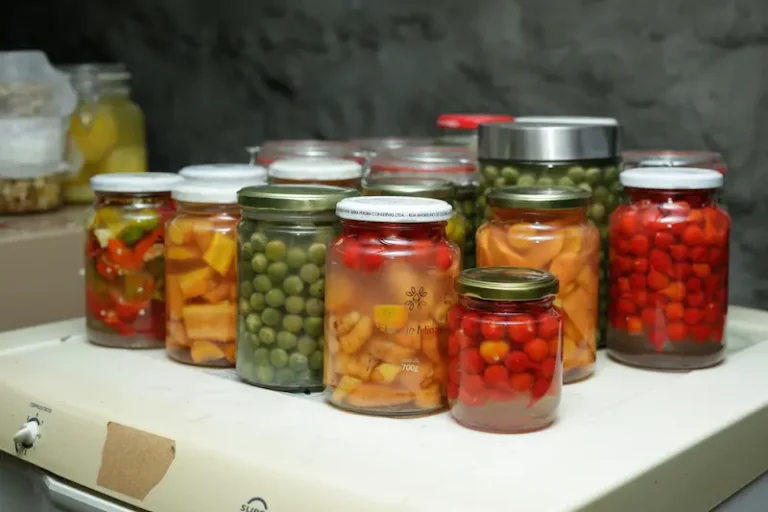
- Reuse glass jars from pasta sauce, jam, or pickles as food storage or bulk-bin containers.
- Say no to freebies: hotel toiletries, promotional tote bags, plastic cutlery with takeout, drink stirrers. Every “free” item you don’t take is one less thing cluttering a drawer or heading to a landfill.
- Bring your own bags, mugs, and containers using items you already have, not new ones bought for the occasion.
None of this costs anything, and it’s genuinely the biggest lever most households have.
Where to Shop Plastic-Free Without Overspending
Where you shop often matters more than what you buy.
- Bulk bins. Buying pantry staples like rice, oats, flour, and spices in bulk with your own containers cuts packaging waste and the price per pound. A 2025 analysis found that shoppers can save an average of 27% by buying in bulk instead of smaller packages, according to LendingTree. Roughly four in ten bulk shoppers reported saving $25 to $50 a month, or $300 to $600 a year, this way, per the same study reported by KHQ. Bulk only pays off if you’ll actually use what you buy, so start small.
- Thrift and secondhand stores. Glass storage jars, cloth napkins, and even reusable water bottles show up constantly at thrift stores for a fraction of retail price.
- Buy Nothing groups and local swap pages. Neighbors give away exactly the kind of jars, containers, and reusable bags you’re looking for, for free.
- Farmers markets. Produce is often sold loose, no plastic clamshell required, and you can bring your own bags or boxes.
- A “library of things.” Some cities have tool and equipment libraries where you can borrow items you’d otherwise buy once and rarely use again.
The Budget-Friendly Starter Kit: What’s Worth Buying
Once the free swaps are habits, a short list of low-cost purchases does most of the remaining work. Think in terms of cost per use, not sticker price. A $20 item you use daily for years is cheaper than a $2 item you rebuy every week.
| Item | Replaces | Typical Cost | Roughly Pays for Itself |
| Reusable produce bags | Plastic produce bags | $8–$15 for a set | A few months of grocery trips |
| Reusable water bottle | Bottled water | $15–$25 | A few weeks for daily bottled-water buyers |
| Bar soap | Bottled body wash | $3–$6 per bar | Immediately, most bar soap lasts longer per dollar |
| Safety razor | Disposable plastic razors | $20–$35 plus ~$0.25 per blade | 6–12 months |
| Cloth napkins or rags | Paper towels/napkins | $10–$20 for a set (or free from old towels) | A few months |
| Glass storage containers | Plastic wrap and bags | Free if reused, $20–$40 if bought new | Ongoing, no repurchase needed |
For a deeper breakdown of specific brands, materials, and where to find each one cheaply, see The Best Reusable Alternatives to Single-Use Plastic That Save Money.
Buy one item at a time, ideally only after the plastic version it replaces has actually worn out. A perfectly good plastic container thrown away to make room for a “better” glass one isn’t a win for your budget or the planet.
The Kitchen: Where Small Swaps Add Up Fast
The kitchen produces more disposable plastic than almost any other room, which means it’s also where budget-conscious swaps pay off fastest.
Start with a short meal plan before each grocery trip. Impulse buys are usually the most heavily packaged items in the store. Shop the bulk bins and produce section with your own bags and containers, and keep a stash of washed jars in the car or by the door so you’re never caught without one.
For a full room-by-room and shelf-by-shelf plan, check out 25 Easy Ways to Reduce Plastic Use at Home, and for the grocery run specifically, see How to Reduce Plastic Use While Grocery Shopping.
A homemade all-purpose cleaner made from vinegar, water, and a splash of dish soap costs a couple of dollars and covers most kitchen surfaces, replacing several single-use spray bottles over time.
Quick takeaway: The kitchen is the highest-leverage room in the house. Fix it first, before touching the bathroom or laundry room.
Bathroom and Personal Care: Swaps That Pay for Themselves
Bar soap, shampoo bars, and safety razors are some of the few plastic-free swaps that are cheaper than the plastic version from the very first use, not just over time.
Reusable cotton rounds (or cut-up old washcloths) replace disposable makeup wipes for free. Refillable dispensers work with bar or bulk products at many co-ops and refill shops, cutting out the bottle entirely.
Some people are motivated by more than cost here. Researchers have detected microplastic particles in human blood, placental tissue, and gastrointestinal samples, showing that exposure is widespread, though a 2026 systematic review found that direct evidence linking these particles to specific health problems in humans is still limited, per the NIH’s National Library of Medicine. The science isn’t settled, but it’s a reasonable second reason to favor fewer plastic-packaged personal care products, on top of the budget one.
DIY Alternatives That Cost Almost Nothing
A few swaps skip the purchase entirely:
- Produce bags: cut up an old pillowcase or mesh laundry bag instead of buying new mesh totes.
- Food covers: a plate set on top of a bowl replaces plastic wrap for free.
- Cleaning rags: worn-out t-shirts and towels, cut into squares, replace paper towels indefinitely.
- All-purpose cleaner: white vinegar diluted with water in a reused spray bottle.
- Beeswax wrap: if you already have fabric scraps and beeswax on hand, this is a weekend project rather than a purchase. If you don’t, it’s usually not worth buying the ingredients just to make your own. Buy one pre-made instead, or skip it and use a plate.
A Realistic 30-Day Starter Plan
Trying to overhaul everything at once is how people quit in week two. A slower pace keeps costs down and habits sticking.
- [ ] Week 1: Don’t buy anything new. Just notice what plastic you throw away most often.
- [ ] Week 2: Add one free habit a day: bring your own bags, use up existing bottles, decline freebies.
- [ ] Week 3: Pick one room and one low-cost purchase to test, like reusable produce bags.
- [ ] Week 4: Review what actually saved money or reduced friction. Add one more swap only if it passes that test.
Common Questions About Plastic-Free Living on a Budget
Is it possible to live completely plastic-free?
Not entirely, not with how modern products, electronics, and medical supplies are made. Without further policy or industry action, global plastics production, use, and waste generation are projected to increase 70% by 2040 compared to 2020, according to the OECD. A realistic personal goal is meaningful reduction, not zero plastic, and that’s still worth doing at scale.
What’s the cheapest way to start?
Refuse and reuse, no purchase required. Skip freebies, use up what you own, and bring containers you already have when you shop.
Do plastic-free swaps really save money long-term?
For daily-use items like water bottles, bags, and bar soap, generally yes, because you stop rebuying the same disposable item every week. For rarely used items, buying a “reusable” version can cost more than it saves. Use the cost-per-use lens from the table above before buying anything.
Are plastic bag bans making some swaps mandatory now?
In some states, yes. As of January 2026, twelve states, California, Colorado, Connecticut, Delaware, Hawaii, Maine, New Jersey, New York, Oregon, Rhode Island, Vermont, and Washington, have banned single-use plastic bags statewide, and most charge a fee of 5 to 12 cents for paper bags at checkout, according to Earth911. Bringing your own bag isn’t just a preference in those states, it avoids a small but real fee. Check your own state and city, since local ordinances change often.
Why This Effort Adds Up
None of this is about one household fixing plastic pollution alone. It’s about not adding to a problem that’s already accelerating. For the full picture on where plastic waste comes from and every lever available to cut it, not just the budget-friendly ones, see How to Reduce Plastic Use: The Ultimate Guide to Cutting Plastic Waste in Everyday Life.
Next Steps
Pick one thing from this list and start today, not the whole list at once:
- Refuse one freebie you’d normally take without thinking.
- Use up a plastic bottle you already own before replacing it.
- Bring your own bag or container on your next grocery run.
That’s the entire budget for week one: zero dollars. Everything else in this guide is optional, and worth adding only once those habits feel automatic.