Energy bills are rising steadily. The average US household paid around $144 per month for electricity in 2024, according to the Energy Information Administration, and national rates have climbed further since then. Add heating fuel costs on top of that and annual household energy spending easily exceeds $2,000 for many families.
Here’s the thing: nearly half of all household energy use goes to heating and cooling, according to ENERGY STAR. That concentration of spending means targeted improvements in the right places can produce real, lasting reductions in what you pay every month.
This guide covers 15 specific energy efficient home upgrades, organized by category and level of investment. Each one includes honest information about what the savings actually look like, backed by data from the EPA, DOE, and ENERGY STAR rather than marketing claims. You’ll also find a current look at what financial incentives remain available in 2026, since that landscape changed significantly at the end of last year.
For a broader framework for making your home more eco-friendly and cost-efficient, the complete guide to building a sustainable home is a useful place to start.
Start Here: Get a Home Energy Audit
Before spending money on any upgrade, consider getting a professional home energy audit. A qualified auditor uses tools like blower door tests and infrared cameras to find exactly where your home is losing energy and which specific improvements will have the biggest impact in your house.
Professional audits typically cost between $200 and $700, with a national average around $437 based on current industry data. Some utilities offer free or subsidized audits to their customers, so check your utility’s website before booking one privately.
The audit gives you a prioritized list of improvements tailored to your specific home rather than a generic checklist. If you’re going to spend money improving your home’s efficiency, spending a few hundred dollars first to find out exactly where to focus is usually money well spent.
Quick Reference: All 15 Upgrades at a Glance
| # | Upgrade | Category | Cost Level | DIY Possible? |
| 1 | Air Sealing | Envelope | $ to $$ | Partially |
| 2 | Attic Insulation | Envelope | $$ | Partially |
| 3 | Wall and Floor Insulation | Envelope | $$ to $$$ | Rarely |
| 4 | Energy Efficient Windows | Envelope | $$$ | No |
| 5 | Insulated Exterior Doors | Envelope | $$ | Partially |
| 6 | Smart Thermostat | HVAC | $ | Yes |
| 7 | HVAC Maintenance and Duct Sealing | HVAC | $ to $$ | Partially |
| 8 | Air Source Heat Pump | HVAC | $$$ | No |
| 9 | Ductless Mini-Split | HVAC | $$$ | No |
| 10 | Heat Pump Water Heater | Water Heating | $$ to $$$ | No |
| 11 | Tankless Water Heater | Water Heating | $$ to $$$ | No |
| 12 | Water Heater Efficiency Tune-Up | Water Heating | $ | Yes |
| 13 | LED Lighting | Lighting | $ | Yes |
| 14 | ENERGY STAR Appliances | Appliances | $$ to $$$$ | No |
| 15 | Rooftop Solar Panels | Renewable | $$$$ | No |
Cost key: $ = under $500 | $$ = $500–$3,000 | $$$ = $3,000–$15,000 | $$$$ = $15,000+
Building Envelope Upgrades
Your home’s envelope is its outer shell: walls, roof, windows, doors, and floor. For most existing homes, this is where the largest efficiency gains and the best returns on investment are found.
1. Air Sealing
Air leaks through gaps around pipes, electrical outlets, recessed lights, and where building materials meet each other silently drain your heating and cooling budget year-round. The EPA’s ENERGY STAR program estimates that homeowners can save an average of 15% on heating and cooling costs by air sealing their homes and adding insulation to attics, floors over crawl spaces, and basement rim joists.
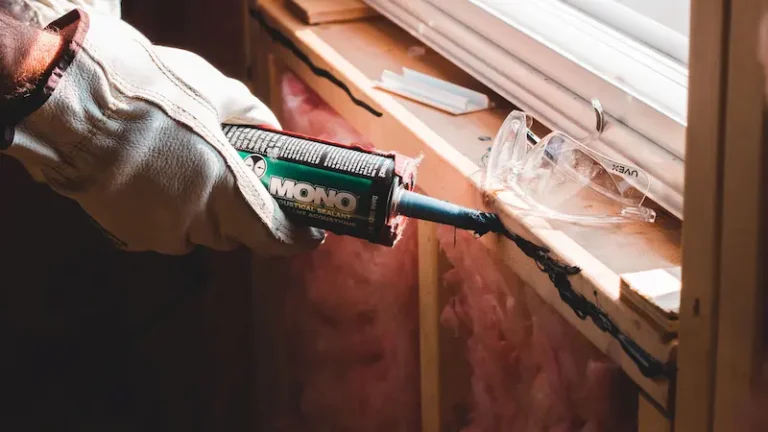
Many air sealing tasks are genuinely DIY-friendly. Caulk around window and door frames, weatherstrip exterior doors, and use expanding foam sealant around pipe penetrations and recessed lighting cans in the attic floor. More thorough sealing guided by a blower door test requires a contractor, but the combination of professional air sealing and basic insulation is one of the highest-ROI investments available for existing homes.
Air sealing is most impactful when done alongside insulation. The ENERGY STAR savings estimate covers both together, and they reinforce each other.
2. Attic Insulation
More than 90% of single-family homes in the US are under-insulated, according to ENERGY STAR. The attic is usually the most accessible and cost-effective place to add insulation because warm air rises and heat escapes through the roof more readily than through walls.
How much insulation your attic needs depends on your climate zone. The DOE recommends R-49 to R-60 for attics in cold climates and R-30 to R-49 in moderate ones. A home energy auditor or the DOE’s online zip code insulation estimator can tell you specifically what your attic should have and what it currently has.
Blown-in cellulose or fiberglass is the most common approach for existing attics. Contractors can install it quickly, and some homeowners rent equipment to do it themselves if the attic is accessible. This upgrade pairs directly with air sealing for maximum impact.
3. Wall and Floor Insulation
Attic insulation is accessible. Wall insulation in an existing home is more disruptive, typically requiring contractors to drill holes in siding or drywall to blow insulation into wall cavities. That said, it’s worth considering for older homes with little or no wall insulation, especially if walls are already open during a renovation.
Floors over unheated crawl spaces or garages are another overlooked source of heat loss. Adding insulation to accessible crawl spaces can often be done by a determined homeowner and produces noticeable comfort improvements in the rooms above.
4. Energy Efficient Windows
Older single-pane windows lose significant heat in winter and allow substantial solar heat gain in summer. Modern double-pane windows with low-emissivity coatings address both problems.
The payback period on window replacement tends to be longer than for insulation, often 10 to 20 years depending on your energy costs and how much your current windows are underperforming. Most homeowners replace windows primarily for comfort, durability, and noise reduction rather than pure financial return.
When shopping for replacement windows, look for ENERGY STAR certification for your climate zone. Pay attention to U-factor (lower values retain more heat, important in cold climates) and solar heat gain coefficient, or SHGC (lower values block more summer heat, important in warm climates).
If full replacement isn’t in budget, interior window insulation film or heavy thermal curtains can reduce heat loss through existing windows at a much lower cost.
5. Insulated Exterior Doors
Older exterior doors often have minimal internal insulation and deteriorated weatherstripping. Replacing a deteriorating door with a modern insulated steel or fiberglass door, and ensuring it’s correctly weatherstripped, is a practical upgrade that also improves security.
The financial case is strongest when your existing door has visible gaps, significant drafts, or warped frames. If the door itself is solid, simply replacing the weatherstripping achieves most of the energy benefit at a small fraction of the cost of a full door replacement.
Heating and Cooling Upgrades
Since heating and cooling represents nearly half of a typical household’s energy use, improvements in this category tend to produce the largest absolute dollar savings.
6. Smart Thermostat
A smart thermostat is one of the easiest, fastest-payback improvements on this entire list. ENERGY STAR-certified smart thermostats are independently verified, based on real field data from thousands of homes, to save an average of about 8% on heating and cooling bills, which works out to roughly $50 per year for the average household. Homes with high heating and cooling bills can see savings closer to $100 per year or more.
Smart thermostats typically cost between $100 and $300. Many utilities offer rebates of $50 to $200 to bring that cost down. Installation is usually a straightforward DIY project for anyone comfortable with basic electrical work. Payback typically happens within one to two years, sometimes faster after rebates.
The biggest savings come for households that previously left their thermostat at a fixed temperature. If you’re already diligent about manual adjustments, the improvement over your current habits will be more modest.
7. HVAC Maintenance and Duct Sealing
A heating and cooling system that’s poorly maintained works harder and less efficiently. Replacing air filters on schedule (every one to three months for most systems), keeping outdoor units clear of debris, and scheduling annual professional tune-ups are low-cost steps that preserve efficiency and extend equipment life.
Leaky ducts are a significant but often overlooked problem in homes with forced-air systems. According to the DOE, duct leaks can cause a home to lose 20 to 30% of its conditioned air before it reaches living spaces. A contractor can test and seal ducts using mastic sealant or metal-backed tape. This is worth doing before investing in a new HVAC system, since you’ll be putting that expensive new equipment to work more effectively.
8. Air Source Heat Pump
An air source heat pump handles both heating and cooling as a single system by moving heat rather than generating it. This makes it significantly more efficient than electric resistance heating or a conventional air conditioner, especially in moderate to warm climates.
According to ENERGY STAR’s 2024 product reference data, replacing an oil heating system with a heat pump saves an average of about $950 per year on energy bills. Replacing electric resistance heating saves around $460 per year on average. Savings from replacing a gas furnace vary more by climate and gas prices but can be meaningful in mild-winter regions.
The 30% federal 25C tax credit that previously applied to heat pump installation expired at the end of 2025. However, income-qualified homeowners in states with active programs may still access point-of-sale rebates through the federally funded HEAR (Home Electrification and Appliance Rebates) program, which can cover up to $8,000 toward a qualifying heat pump HVAC system. Program availability and rules vary by state; as of mid-2026, roughly 23 states have active programs. Check your state’s energy office or DSIRE.org for current eligibility.
HEAR program rules have been evolving in 2026. Verify current eligibility with your state’s program before purchasing, since requirements may differ from what was in place when the program launched.
9. Ductless Mini-Split Heat Pump
Mini-splits are the right choice when you need to heat and cool a room, addition, converted garage, or finished basement that isn’t connected to your central duct system. ENERGY STAR-certified ductless mini-splits cut cooling costs by about 30% compared to conventional window air conditioners, and they provide efficient heating as well.
They’re also a practical alternative to whole-home heat pump installation in situations where adding ductwork is impractical or expensive. Each indoor unit can be controlled independently, which means you’re not conditioning rooms nobody is using.
Water Heating Upgrades
Water heating accounts for roughly 13% of a home’s total annual energy use and costs, according to the DOE. That makes it a meaningful target for efficiency improvements.
10. Heat Pump Water Heater
A heat pump water heater uses the same basic technology as a heat pump: it moves heat from surrounding air into the water tank rather than generating heat directly. This makes it three to four times more efficient than a conventional electric resistance water heater.
According to ENERGY STAR, an ENERGY STAR certified heat pump water heater can save a household of four approximately $550 per year on electricity bills compared to a standard electric water heater, with lifetime savings exceeding $5,600. Payback over a standard electric tank replacement typically runs three to six years.
The unit itself typically costs $1,500 to $3,000, according to ENERGY STAR’s cost guidance. Practical considerations include needing at least 700 cubic feet of surrounding air space (approximately a 10-by-10 room), a dedicated 240V outlet, and slightly cooler surrounding air as a byproduct of operation. Newer 120V models are available and eliminate the need for electrical panel upgrades, though they’re somewhat less efficient.
For income-qualified households in states with active HEAR programs, rebates of up to $1,750 toward a heat pump water heater are available. State and utility rebates may offer additional savings. At current electricity rates, this is one of the most financially compelling upgrades on this list for households replacing an existing electric water heater.
11. Tankless Water Heater
A tankless water heater heats water only when you need it, eliminating the standby heat loss that accounts for 15 to 20% of a conventional tank heater’s energy use. This makes it noticeably more efficient than a storage tank.
Gas-powered tankless models deliver higher flow rates than most electric alternatives and suit households with high simultaneous hot water demand well. Installation costs are higher than a simple tank swap, often significantly so when factoring in labor and any required venting upgrades.
If you have a gas water heater nearing the end of its useful life, a gas tankless model is worth serious consideration. If you have an electric water heater, a heat pump water heater will typically deliver better energy savings per dollar invested.
12. Water Heater Efficiency Tune-Up
If your existing tank water heater is working well and relatively new, lower-cost improvements can boost its efficiency without replacing it:
Set the thermostat to 120°F. Many water heaters ship at 140°F from the factory. Dropping to 120°F reduces standby heat loss and the energy needed to maintain temperature, while still providing safe, comfortable hot water for most households.
Insulate hot water pipes. Adding pipe insulation to the first few feet of hot water pipe nearest the heater reduces heat loss as water travels to fixtures.
Consider a tank insulation blanket. For older tank water heaters with minimal factory insulation, a blanket wrap can reduce standby heat loss. Most modern water heaters are well-insulated already and don’t need one.
These steps cost very little and take less than an hour. They’re a sensible first step before deciding whether a full replacement is warranted.
Lighting and Appliances
13. LED Lighting
Switching from incandescent bulbs to LEDs is the cheapest, fastest-payback upgrade on this list. ENERGY STAR-certified LED products use at least 75% less energy and last up to 25 times longer than traditional incandescent bulbs, according to the DOE. The average household saves around $225 per year by switching entirely to LEDs, based on DOE estimates.
Individual LED bulbs cost $5 to $15 and pay back their cost within months of installation. No professional help is needed. If you haven’t replaced all your bulbs yet, start with the fixtures you use most: kitchen overhead lights, living room lamps, and outdoor fixtures will deliver the fastest returns.
14. ENERGY STAR Certified Appliances
When an appliance reaches the end of its useful life, choosing an ENERGY STAR certified replacement is a straightforward efficiency win. ENERGY STAR appliances use 10 to 50% less energy than standard models depending on the product type.
The key word is replacement. Buying a new ENERGY STAR appliance while your current one still works is rarely justified on energy savings alone. The upgrade pays off when you’re already replacing a failing or aging refrigerator, clothes washer, dishwasher, or dryer.
The ENERGY STAR website provides estimated annual energy cost figures for certified models, making it easy to compare actual efficiency across specific products before buying. For guidance on which products are genuinely worth the investment versus which ones offer minimal real-world benefit, a closer look at sustainable home products worth buying can help narrow the field.
Renewable Energy
15. Rooftop Solar Panels
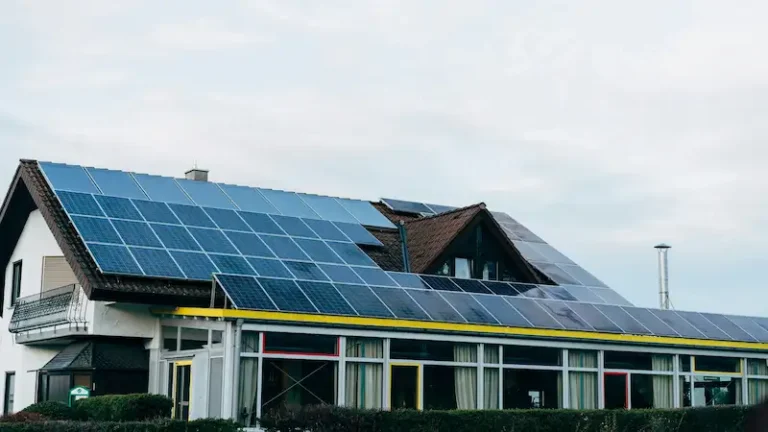
Solar panels can substantially reduce or eliminate electricity bills over their 25 to 30 year lifespan. The average residential system in the US costs between $15,000 and $25,000 before incentives, roughly $2.50 to $3.50 per watt installed, based on current market data from EnergySage.
The 30% federal residential solar tax credit (Section 25D) expired on December 31, 2025, which changes the financial calculation meaningfully. Without that credit, payback periods in 2026 are typically 10 or more years for homeowners who purchase systems outright, though they vary considerably by state based on local electricity rates, available solar production, and state incentives.
One option worth exploring: solar leases and power purchase agreements allow you to host panels with no upfront cost. The company that owns the system may still benefit from commercial tax credits, potentially passing savings to you through lower monthly payments than your current electric bill. These agreements come with their own terms and trade-offs, so read contracts carefully before signing.
State incentives can meaningfully improve the economics in several markets. Programs in California, Massachusetts, New York, Maine, and Colorado, among others, offer meaningful additional value. Check DSIRE.org for current programs in your state. Net metering policies also vary significantly by state and utility, and they have a substantial effect on how much value your system generates.
How to Pay for Energy Efficient Home Upgrades
The 2025 reconciliation law (the One Big Beautiful Bill Act, P.L. 119-21) repealed the two most widely used federal residential energy tax credits. As of January 1, 2026, the Section 25C Energy Efficient Home Improvement Credit (which covered insulation, windows, doors, heat pumps, and more at 30%) and the Section 25D Residential Clean Energy Credit (which covered solar panels and battery storage at 30%) are no longer available for new installations.
That’s a significant change for homeowners planning upgrades. Here’s what remains:
HOMES and HEAR Rebate Programs: The Inflation Reduction Act set aside $8.8 billion for home energy rebates through two programs that remain active and were not affected by the 2025 law. As of mid-2026, roughly 23 states have active programs accepting applications. The HEAR program provides income-qualified households (below 150% of area median income) with point-of-sale rebates for specific equipment, including up to $8,000 for heat pump HVAC systems, up to $1,750 for heat pump water heaters, and up to $1,600 for insulation and weatherization, with a household maximum of $14,000. The HOMES program provides performance-based rebates for whole-home efficiency improvements. Check your state energy office or DSIRE.org to see whether your state has an active program and what it covers.
Utility Rebates: Many electric and gas utilities offer their own rebates for energy efficient equipment, independent of state or federal programs. Smart thermostats, heat pumps, and ENERGY STAR appliances are common targets. Check your utility’s website or call their energy efficiency department.
State Programs: Several states maintain independent energy efficiency incentive programs. The DSIRE database is the most comprehensive public resource for finding what’s available in your state. Always confirm a program is actively accepting applications before making purchasing decisions, since availability and funding change.
Financing Options: Low-interest financing for energy improvements is available through many state programs, some utilities, and specialized lenders. Property Assessed Clean Energy (PACE) financing allows homeowners to repay upgrade costs through property tax assessments, which can make large projects more accessible.
How to Prioritize Your Upgrades
Not every home needs every upgrade, and doing things in the right order matters.
Get the energy audit first. A qualified auditor will tell you specifically what your home needs and rank improvements by expected impact. This is far more valuable than following a generic priority list.
Fix the envelope before replacing equipment. Air sealing and insulation consistently deliver the best return on investment for existing homes and make every piece of heating and cooling equipment work more efficiently. Replacing your furnace before sealing major air leaks means your new furnace is working harder than it needs to.
Take the quick wins now. LED bulbs, a smart thermostat, and simple water heater adjustments (temperature setting, pipe insulation) cost little and pay back fast. These make sense for almost every home regardless of budget.
Time larger upgrades strategically. The best time to replace heating, cooling, and water heating equipment is when existing systems fail or approach end of life. Replacing functional equipment early rarely makes financial sense. Choosing the most efficient replacement when the time comes is what matters.
Let your climate guide you. Heat pumps are more cost-effective in moderate climates than in regions with extreme cold winters. Solar ROI depends heavily on local electricity rates and available sun. What delivers strong returns in one region may not make as much sense in another.
For homeowners focused on lower-cost strategies alongside these larger upgrades, making your home more energy efficient without major expenses covers practical, budget-friendly steps that complement the improvements listed here. And for a wider range of ideas beyond efficiency upgrades specifically, 25 sustainable home improvements that save money and reduce waste is worth a read.
Putting It Together
Energy efficient home upgrades don’t need to happen all at once. The most common mistake is skipping the building envelope to spend money on solar panels or new windows, while air leaks and missing insulation quietly undermine everything else.
Start with an audit. Seal and insulate. Pick up the quick wins. Upgrade equipment strategically when it reaches end of life. That sequence works regardless of budget and gets better results than any other order.
The federal tax credits that made some of these upgrades more attractive in previous years are no longer available. But the energy savings from well-chosen improvements are real and permanent, electricity rates continue to rise, and state and utility programs continue to support many of these investments for eligible households. The long-term case for making your home more efficient remains strong.