Key takeaways:
- Zero waste isn’t about hitting a literal zero. It’s about refusing and reducing first, then reusing, recycling, and composting what’s left.
- The highest-impact starting point is a one-week trash audit, not a shopping trip.
- Kitchen and bathroom swaps matter, but transportation, digital habits, and e-waste are part of the picture too.
- Most beginners quit from doing too much at once, not from lack of motivation.
If your trash can feels like it’s always full and you’re wondering where to even begin, you’re not alone. The good news: you don’t need to overhaul your entire life this week. You need a trash audit, a handful of swaps, and the patience to add one habit at a time.
This guide covers exactly that, plus the parts most beginner guides skip: whether zero waste is actually achievable, what it really costs versus what it saves, and the specific points where people tend to give up. For the full framework this article sits inside, see our Zero Waste Lifestyle: The Complete Beginner’s Guide.
What Does “Zero Waste” Actually Mean?
Zero waste is a philosophy of living that aims to send as little as possible to landfills and incinerators, by refusing what you don’t need, reducing what you do, and reusing, recycling, or composting the rest.
The framework most beginners lean on, the “5 R’s,” Refuse, Reduce, Reuse, Recycle, and Rot, comes from Béa Johnson, a US-based environmental activist and author widely recognized for pioneering and popularizing modern waste-free living after paring her own family’s annual trash down to a small jar. Her site, Zero Waste Home, is still one of the most credible primary sources on the topic.
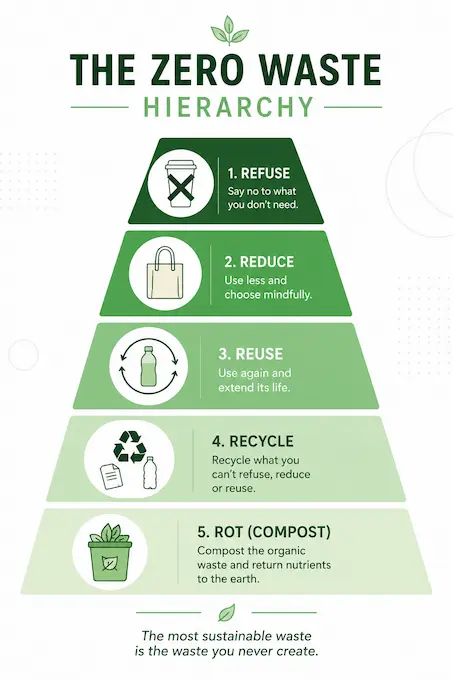
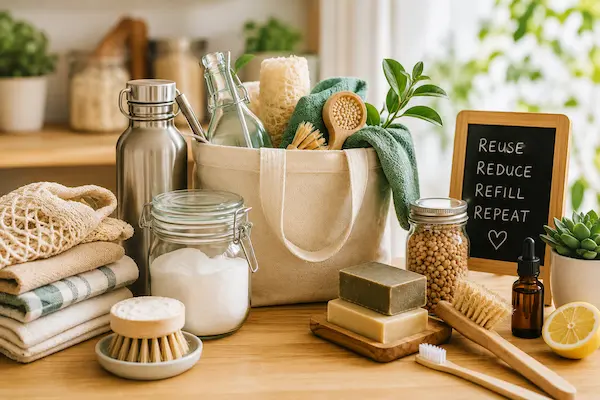
Notice the order: refusing and reducing come before recycling, because the most sustainable item is the one you never brought home.
Is a Zero Waste Lifestyle Actually Possible?
Let’s address the skepticism directly instead of dancing around it, because pretending otherwise erodes trust fast.
No, almost no one hits a literal zero. Even the most dedicated zero wasters acknowledge that individual packaging choices don’t touch bigger factors like the emissions from air travel or the water footprint of your diet. If you’ve seen a photo of someone’s “five years of trash in one jar” and felt intimidated rather than inspired, that reaction is common, and it’s also missing the point. That jar represents an extreme end of a very long spectrum, not the entry requirement.
The more useful framing: zero waste is a direction, not a destination. Every refused straw, every secondhand purchase, and every composted banana peel is a real reduction, whether or not you ever get close to “zero.” Progress that’s sustainable for years beats perfection that burns out in a month.
Why Start a Zero Waste Lifestyle Now?
The numbers make the case better than any pep talk.
In 2018 (the most recent year with complete EPA data), the U.S. generated 292.4 million tons of municipal solid waste, or 4.9 pounds per person per day, and only about 32.1 percent of it was recycled or composted. Roughly two-thirds of everything Americans throw away still ends up landfilled or incinerated.
Food waste alone is a massive share of that problem. EPA research shows that approximately one-third of the food produced in the U.S. is never eaten, and when it decomposes in a landfill, it releases methane. The financial cost is just as real: EPA’s 2025 cost analysis found that food waste costs the average U.S. consumer $728 per year, or $2,913 annually for a household of four.
Recycling alone won’t fix it either. EPA’s official 2018 figure put the U.S. plastics recycling rate at 8.7 percent, but independent analysis from Beyond Plastics and The Last Beach Cleanup found that Americans actually recycle closer to 5 to 6 percent of their plastic waste, since so much collected material is exported, burned, or landfilled rather than truly reprocessed. That’s exactly why zero waste starts upstream, at refusing and reducing, instead of leaning on recycling to clean up afterward.
Electronics are a growing, less-talked-about piece too. Americans now own more than 3 billion electronic products, an average of 24 devices per household, and e-waste has become the fastest-growing component of the municipal waste stream.
How to Start a Zero Waste Lifestyle: Step-by-Step for Beginners
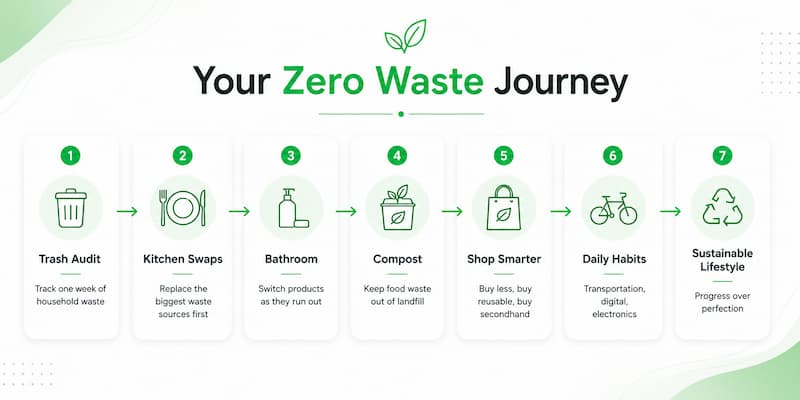
Step 1: Do a Trash Audit
Before buying a single mason jar, spend one week actually looking at what’s in your trash and recycling bins. Note the five items you throw away most.
Most households are surprised that food-related waste, not exotic plastics, dominates the bin. This single audit tells you exactly where your effort will have the biggest impact, instead of guessing.
Step 2: Start in the Kitchen
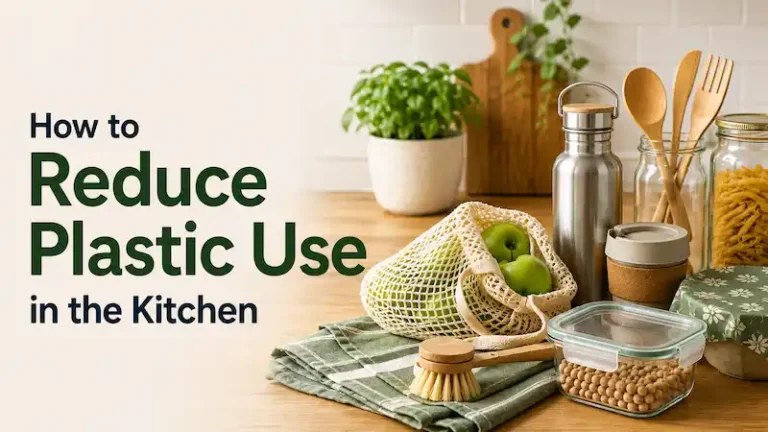
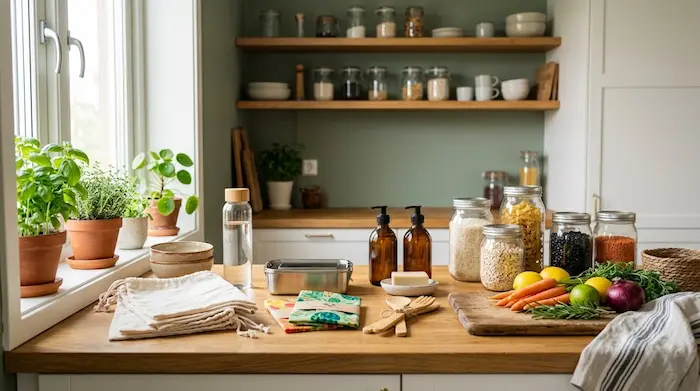
The kitchen generates the most household waste, so it’s the highest-leverage room to tackle first:
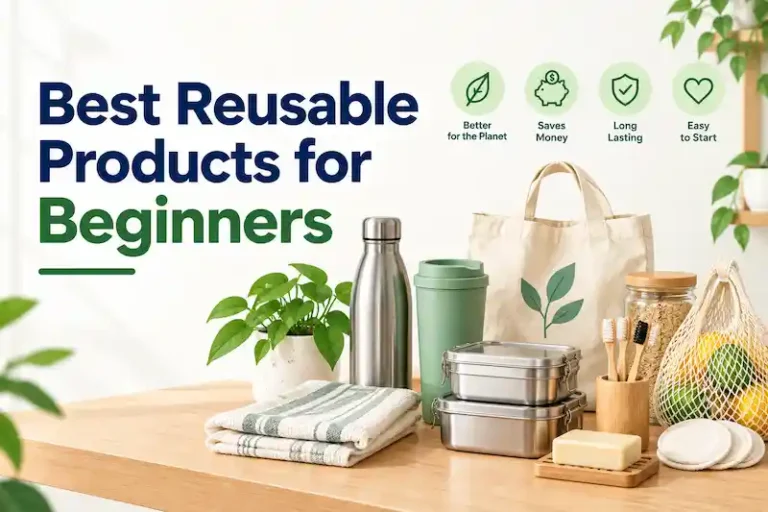
- Reusable produce bags instead of plastic ones
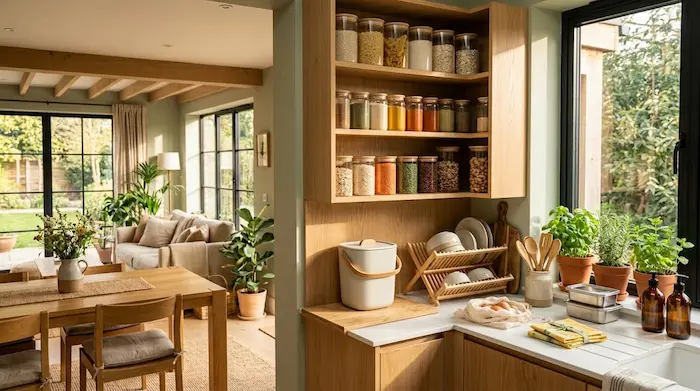
- Glass jars for pantry staples and leftovers
- A reusable water bottle and coffee cup
- Beeswax wraps or silicone lids instead of plastic wrap
- Cloth napkins and towels instead of paper ones
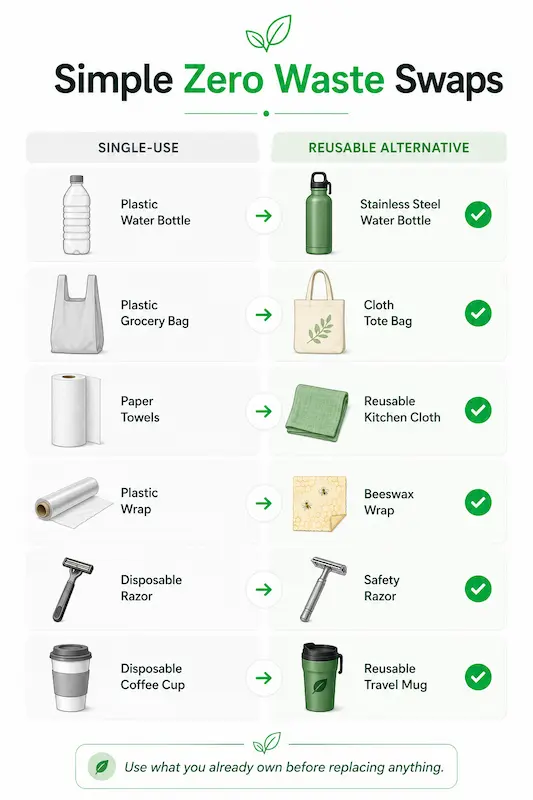
Use up what you already have before replacing anything. Buying a drawer full of “eco” products while your old ones still work just creates a different kind of waste.
Step 3: Tackle the Bathroom Next
Swap the products you replace most often first: bar soap instead of liquid soap in plastic bottles, a safety razor instead of disposable plastic ones, reusable cloth rounds instead of cotton pads. A bamboo toothbrush and shampoo bars are common next steps once the basics feel automatic.
Step 4: Learn the Basics of Composting
Food scraps and yard waste make up a large share of household trash, which makes composting one of the highest-impact habits a beginner can build. According to the EPA, composting is the managed, aerobic decomposition of organic materials like food scraps and yard trimmings by microorganisms, and it requires a working balance of carbon-rich “browns,” nitrogen-rich “greens,” water, and air. You don’t need a backyard. Countertop bins, indoor worm bins, and municipal drop-off programs all work. EPA’s composting guide is a solid reference for troubleshooting your first pile or bin.
Step 5: Shift How You Shop
- Shop bulk bins with your own containers where available
- Buy secondhand first for clothing, furniture, and kids’ items
- Choose products with minimal or recyclable packaging
- Support a local refill store if your area has one
Step 6: Look Beyond the Home
Most beginner guides stop at packaging. Three areas outside the kitchen matter more than people expect:
- Transportation. Walking, biking, carpooling, or taking transit for short trips reduces your footprint far more than any single product swap.
- Digital habits. Going paperless on bills, unsubscribing from junk mail and catalogs, and buying e-books or streaming instead of physical media all reduce paper waste at the source.
- Electronics. Before tossing an old phone or laptop, check manufacturer take-back programs or retailers with in-store electronics recycling. Given how fast e-waste is growing, this is one of the fastest-rising waste categories you can actually do something about.
Step 7: Build Habits That Actually Stick
The biggest reason people abandon zero waste isn’t lack of motivation. It’s trying to change everything in one weekend. Pick one or two habits a month instead. For a curated, beginner-tested list, see 25 Zero Waste Habits That Actually Stick.
Step 8: Know the Pitfalls Before You Hit Them
Many beginners burn out chasing an unrealistic, all-or-nothing version of zero waste, or spend money replacing perfectly usable items before the old ones wear out.
Common Obstacles, and How to Push Through Them
“It’s less convenient.” Single-use products are designed to be fast. Sustainable habits take a few weeks to become automatic. Keep a small kit (reusable bag, utensils, straw) in your car or bag so the convenient choice and the low-waste choice are the same choice.
“It feels expensive.” The perception comes from buying a full starter kit at once. In practice, the highest-impact early moves (using what you own, refusing freebies, shopping secondhand) cost nothing. See the real numbers below.
“My family or friends don’t get it.” Lead by example instead of trying to convert anyone. Most people who stick with zero waste long-term say their circle came around gradually, once they saw it wasn’t extreme or inconvenient in practice.
“There’s no bulk store or recycling near me.” Focus on what’s actually available: refusing, reducing, and reusing work anywhere, regardless of local infrastructure. Composting and bulk shopping are bonuses, not prerequisites.
What It Actually Costs and Saves: A Realistic Budget Breakdown
| Swap | One-Time Cost | Annual Savings vs. Disposable | Payback Time |
| Reusable water bottle | $15-25 | ~$100+ (vs. bottled water) | 1-2 months |
| Reusable produce/grocery bags | $10-20 (set) | Minor, but avoids bag fees in many cities | 3-6 months |
| Bar soap vs. liquid soap | $0 (often cheaper per use) | ~$15-30 | Immediate |
| Safety razor | $20-35 | ~$50-80 (vs. disposable cartridges) | 4-6 months |
| Basic countertop compost bin | $0-20 (a jar works fine) | Reduced trash bag/pickup costs, varies by municipality | Immediate to a few months |
| Cloth napkins | $10-15 | ~$20-40 (vs. paper towels/napkins) | 3-6 months |
The pattern holds across almost every swap: the up-front cost is small and the ongoing savings outlast it within a year. The exception is when someone replaces multiple items at once before the old ones are worn out, which is a spending decision, not a requirement of the lifestyle.
Your Beginner Zero Waste Starter Kit
If you want a simple list to start with: a reusable water bottle, reusable coffee cup, cloth produce bags, mason jars for storage, bamboo or metal cutlery for on-the-go meals, a small compost bin, and cloth napkins.
Frequently Asked Questions
What are the first steps to zero waste?
Start with a trash audit to see what you throw away most, then tackle the kitchen first since it typically generates the most household waste.
Is a zero waste lifestyle expensive?
Not inherently. The highest-impact first moves (using what you own, shopping secondhand, refusing freebies) cost nothing, and most paid swaps pay for themselves within months.
What are the 5 R’s of zero waste?
Refuse, Reduce, Reuse, Recycle, and Rot (compost), in that order, as popularized by Bea Johnson of Zero Waste Home.
Can you actually live 100% zero waste?
No, and most experienced zero wasters say so openly. The goal is meaningful reduction, not a literal zero.
How much trash does the average American produce per day?
About 4.9 pounds per person per day, according to the most recent EPA data.
Final Thoughts: Progress Over Perfection
Starting a zero waste lifestyle isn’t about being perfect from day one. It’s about auditing what you throw away, making one swap at a time, and building habits that outlast a New Year’s resolution. For the complete framework this article is built on, including mindset shifts and long-term strategy, read our Zero Waste Lifestyle: The Complete Beginner’s Guide next.