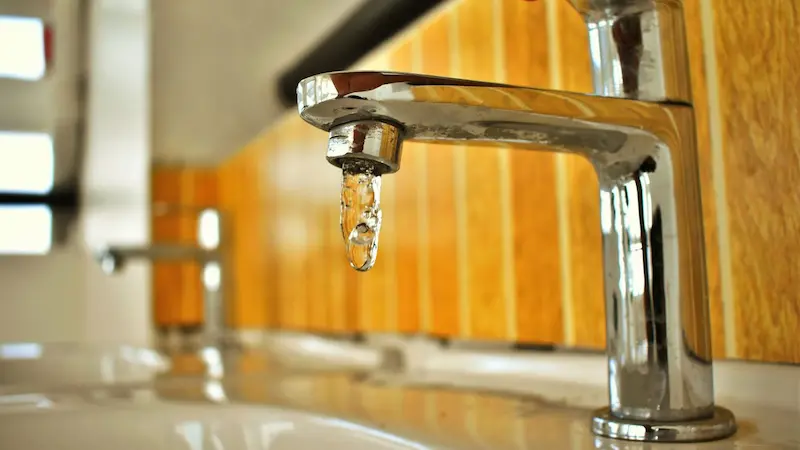
The fastest ways to save water at home cost nothing: turning off taps while you brush or shave, running only full loads in the dishwasher and washer, and fixing leaks promptly. From there, a short list of low-cost upgrades, like a WaterSense-labeled showerhead or faucet aerator, can trim use further. The 25 tips below cover the bathroom, kitchen, laundry room, and yard, moving from free habit changes to small equipment upgrades. Exact savings vary by household size, fixture age, and local water rates, so figures are noted as estimates throughout rather than promised outcomes.
Bathroom Tips to Save Water
1. Turn Off the Tap While Brushing Your Teeth
Letting the water run while you brush sends gallons down the drain for no reason. Wet your toothbrush, shut the tap off, and turn it back on only when you need to rinse. It’s a small habit, but EPA WaterSense lists it as one of the simplest ways to cut bathroom water use, and it adds up quickly across a household brushing twice a day.
2. Take Shorter Showers
Showering is one of the single biggest water uses inside a typical home. EPA WaterSense estimates it accounts for roughly 17 percent of residential indoor water use, which works out to nearly 40 gallons a day for the average family. Trimming even a couple of minutes, especially the time spent standing under the water before you actually start washing, adds up fast over a week or a year.
A waterproof timer or a playlist of a set length can help you keep track without turning showers into a race. Treat any specific time goal as something to work toward rather than a strict rule, since hair-washing days and personal needs vary. EPA WaterSense also notes that showers generally use less water than baths, as long as you keep an eye on how long you linger.
3. Turn Off the Water While Shaving or Soaping Up
The same logic from brushing your teeth applies here. Wet your razor or washcloth, shut off the tap while you actually shave or lather up, and turn it back on only to rinse. WaterSense lists this right alongside tooth-brushing as one of its standard bathroom water-saving habits. Filling the sink partway instead of running water continuously gives you a place to rinse your razor between passes, too.
4. Fix Dripping Faucets and Showerheads
A faucet dripping once per second doesn’t look like much, but EPA WaterSense calculates it can waste more than 3,000 gallons a year, about the amount of water needed for 180 showers. A showerhead leaking at just 10 drips a minute adds up to over 500 gallons annually. Most drips like these trace back to a worn washer, gasket, or O-ring, which is usually a simple fix.
Try tightening the connection first, and check whether the washer or gasket looks worn if that doesn’t stop it. A drip is almost always a parts problem rather than a sign you need an entirely new fixture, so save the replacement budget unless the leak genuinely can’t be repaired.
5. Test Your Toilet for Hidden Leaks
Toilets are a common source of water waste you can’t see or hear without checking. EPA WaterSense recommends a simple dye test: add a few drops of food coloring to the tank at the back of the toilet, wait about 10 minutes without flushing, then check the bowl. If any color has made its way in, water is leaking past the flapper.
Flush right away afterward, even if you didn’t see color, so the dye doesn’t stain the tank. If the test does turn something up, the likely culprit is an old or worn flapper, the rubber seal that releases water into the bowl on each flush. WaterSense suggests checking it periodically and replacing it at least every five years, since the rubber naturally wears out. Replacement kits are inexpensive and rarely require a plumber.
6. Install a Water-Efficient Showerhead
If your current showerhead is old, upgrading the fixture itself can help further as part of making your home more sustainable on a budget. Standard showerheads are allowed to use up to 2.5 gallons per minute. Showerheads carrying the WaterSense label are independently certified to use no more than 2.0 gallons per minute while still meeting EPA’s spray force and coverage standards, so you shouldn’t notice weaker water pressure. EPA estimates the average family could save around 2,700 gallons a year by making the switch.
This is an optional upgrade, not a requirement. If your showerhead isn’t leaking and you’re content with free habit changes, there’s no need to replace it. When shopping, look specifically for the WaterSense label rather than general marketing terms like “low-flow,” since only labeled products have actually been tested against EPA’s criteria.
7. Avoid Flushing Tissues and Other Trash
Toilets are built to handle human waste and toilet paper, which is designed to break apart quickly in water. Tissues, paper towels, wipes (including ones marketed as “flushable”), cotton swabs, and similar items don’t break down the same way, and flushing them regularly can clog your home’s plumbing or contribute to backups further down the line. State environmental agencies, including Ohio EPA, advise flushing only toilet paper for this exact reason.
This habit won’t save a dramatic amount of water by itself, but every unnecessary flush is water a wastebasket could have handled instead, and skipping it helps you avoid a far more expensive plumbing repair later.
Kitchen Tips to Reduce Water Waste
8. Run the Dishwasher Only When It’s Full
It’s tempting to run the dishwasher after every meal, but a full dishwasher uses about the same amount of water whether it’s packed or half empty. ENERGY STAR certified dishwashers are, on average, 20 percent more energy efficient and 30 percent more water efficient than standard models, but you only get the full benefit of that efficiency when you wait for a complete load instead of running partial cycles out of habit.
If you don’t have enough dishes to fill the machine by evening, it’s fine to let rinsed plates sit in the dishwasher itself until you do. Always follow your specific dishwasher’s manual for load size, since overloading it can mean dishes come out dirty and need rewashing anyway.
9. Wash Dishes in a Basin Instead of Under Running Water
If you wash dishes by hand, letting the tap run continuously while you scrub is one of the most wasteful habits in the kitchen. EPA WaterSense’s recommendation here is simple: fill the sink or a wash basin with soapy water rather than washing under a continuously running tap, then rinse items together at the end instead of one at a time under a stream.
A smaller basin that sits inside your sink works well if you’d rather not fill the whole sink. For heavily greasy pans, a quick rinse under running water is still reasonable; the goal here is cutting unnecessary flow, not eliminating water entirely.
10. Scrape Plates Instead of Rinsing Them Before Dishwashing
Modern dishwashers are built to handle food residue, so pre-rinsing plates under the tap before loading them is usually unnecessary. ENERGY STAR points out that rinsing dishes before loading actually increases total water and energy use, and recommends simply scraping food scraps into the trash or compost instead.
That said, check your dishwasher’s manual, since a few models or especially heavily soiled loads may genuinely call for a light rinse. For most everyday loads, scraping with a spatula or your fingers before loading is enough.
11. Keep Drinking Water in the Refrigerator
Running the tap every time you want a cold glass, waiting for it to chill, sends water down the drain for nothing. Fill a pitcher or reusable bottle and keep it in the refrigerator so cold water is on hand any time. EPA WaterSense lists this as a standard kitchen habit for this exact reason.
It won’t transform your water bill on its own, but it’s a genuinely free change that adds up in a household that reaches for cold water several times a day.
12. Wash Fruits and Vegetables in a Bowl
The FDA recommends washing fresh produce under clean running water rather than with soap or a commercial produce wash, since plain water and gentle rubbing are effective on their own. You can still cut down on wasted water by filling a bowl or basin, swishing and rubbing produce to loosen dirt, and finishing with a brief rinse under the tap instead of letting it run the whole time.
Avoid letting produce sit for a long stretch in standing water, since food-safety guidance generally favors moving water over prolonged soaking to limit cross-contamination risk. Firmer produce like melons and cucumbers benefits from a light scrub with a dedicated produce brush either way.
13. Thaw Frozen Food in the Refrigerator Instead of Under Running Water
Running hot or warm tap water over frozen meat or poultry to speed up thawing wastes water and isn’t the safest method. The USDA outlines three safe ways to thaw food: in the refrigerator, submerged in cold water that you change every 30 minutes, or in the microwave if you’re cooking it immediately afterward. Refrigerator thawing is the slowest of the three, but it uses no extra water and keeps food at a safe, steady temperature throughout.
Planning a day ahead, especially for larger cuts of meat that can take a full day or more in the fridge, lets you skip running water entirely. When you’re genuinely pressed for time, it’s also safe to cook most foods directly from frozen, just with a longer cooking time.
Laundry and Household Cleaning Tips
14. Wash Full Loads of Laundry
Running the washing machine for just a few items wastes both water and energy, since a cycle uses roughly the same amount of water whether the drum is full or nearly empty. The fix is simple: wait until you’ve got a full load before starting the machine rather than running small loads out of convenience.
If you’re between laundry days and only have one or two items that urgently need cleaning, hand-washing that item is often more water-efficient than running a full cycle just for it.
15. Choose the Right Load Size and Water Level for Your Washing Machine
When a smaller load really is necessary, most washing machines let you select a smaller load size or lower water level rather than defaulting to a full tub for a quarter-full drum. EPA WaterSense recommends using the appropriate water level or load size setting on your machine, and if your washer has automatic load sensing, it’s worth letting that feature do the work instead of overriding it.
When it’s time to replace your washing machine, ENERGY STAR certified models use about 30 percent less water than standard ones, while washing in cold water can also help lower your electricity bill.
16. Collect Cold Water While Waiting for Hot Water
If your tap takes a while to run hot, you’re likely sending clean water straight down the drain every time you wait. Keep a bucket, watering can, or pitcher near the sink or shower and catch that water as it runs, rather than letting it disappear. A regional water utility’s conservation guide recommends collecting this water and reusing it for houseplants or similar purposes.
This habit saves the most in homes with longer pipe runs between the water heater and the fixture, since that’s where the wait tends to be longest. Not every household will notice a big difference, but it costs nothing to try.
17. Sweep Patios and Driveways Instead of Hosing Them Down
Hosing off leaves, dirt, and ordinary debris from a patio, driveway, or front steps can use a surprising amount of water for a job a broom handles just as well. WaterSense’s recommendation is straightforward: grab a broom for driveways, sidewalks, and steps instead of reaching for the hose.
That doesn’t mean water never has a place outdoors. Caked-on stains or genuinely heavy debris may still call for it, ideally from a bucket rather than a hose left running. For routine dry debris, though, sweeping gets the job done without using any water at all.
Everyday Water-Saving Habits and Leak Prevention
18. Check Your Water Meter for Hidden Leaks
Many leaks happen out of sight, behind walls or underground, where you’d never notice a drip. EPA WaterSense recommends a simple test: check your water meter before and after a two-hour stretch when nobody in the house is using any water, including appliances. If the reading has moved at all during that window, something in your system is probably leaking.
Not every home has an easily accessible individual meter, particularly in some apartments or older buildings, so this test works best for single-family homes with a visible one. If you do find a discrepancy, the next two tips can help you track down where it’s coming from.
19. Inspect Exposed Pipes and Plumbing Connections for Leaks
Walk through visible plumbing areas (under sinks, around the water heater, in the basement or utility closet) and look for warning signs: moisture on the outside of a pipe, damp or discolored patches on walls or floors, corrosion around a fitting, or a musty smell that wasn’t there before. EPA WaterSense suggests checking faucet gaskets and pipe fittings for visible moisture as part of a basic leak check.
A loose connection is often something you can tighten yourself, but a damp patch on drywall or a corroded fitting is a sign to call a licensed plumber before the problem worsens. Catching a small leak during a routine check is almost always cheaper than dealing with water damage later.
20. Track Your Household Water Usage
Your water bill tells a story over time, and comparing it month to month, or the same season year over year, can reveal leaks or habits you’d otherwise miss. EPA WaterSense suggests using a cold-weather month like January or February as a baseline, since outdoor watering isn’t a factor then; a family of four using more than 12,000 gallons that month could be dealing with a hidden leak. EPA’s guide to understanding your water bill can help you make sense of the usage figures your utility reports.
A jump in usage doesn’t always mean a leak, though. Houseguests, a new baby, a garden you just started watering, or a heat wave can all explain a higher bill. Use tracking to notice patterns, not as an automatic alarm.
21. Reuse Suitable Water for Houseplants When Safe
Some water that would otherwise go down the drain is clean enough to give a second use. Water left over from rinsing produce, cold water collected while waiting for a tap to heat up, or water from boiling vegetables (once cooled) can all work for watering houseplants. A regional water utility’s conservation guide suggests reusing this kind of water for exactly this purpose.
Whether it’s actually suitable depends on what’s in it. Skip reuse for anything that touched dish soap, cleaning chemicals, bleach, excess salt, or grease, since these can harm plants or soil. This is a small-scale habit for water you’d otherwise waste, not a greywater plumbing system, and it works best with plants that tolerate some variation in water quality.
Outdoor Tips to Save Water
22. Water Outdoor Plants When Evaporation Is Lower
Watering your lawn or garden in the middle of a hot, sunny afternoon means a lot of that water evaporates before it ever reaches the roots. EPA WaterSense recommends watering in the early morning or evening, after the sun has gone down, rather than during the heat of the day, and estimates that as much as 50 percent of outdoor water use is wasted to evaporation, wind, or runoff from inefficient watering.
Exactly how much and how often to water depends on your climate, soil, rainfall, and what you’re growing, so your local water utility or state cooperative extension office can offer region-specific guidance rather than a one-size-fits-all schedule. As a general guide, most landscapes need around one inch of water a week, including rainfall.
23. Collect Rainwater for Gardening Where Permitted
A rain barrel under a downspout can capture water for free that would otherwise run off into the storm drain, and that water works well for gardens and outdoor plants. Before setting one up, check your local rules. EPA WaterSense notes that some states have laws restricting rainwater collection, so it’s worth checking with your state’s water resource agency; the U.S. Department of Energy maintains a map of state-by-state rainwater harvesting rules as a starting point.
Use a covered or screened container to keep out debris and mosquitoes, and place the barrel where it can be elevated or easily accessed for gravity-fed watering. Collected rainwater is generally fine for garden use, but it hasn’t been treated, so don’t assume it’s safe to drink without proper filtration and disinfection.
24. Add Mulch Around Plants to Reduce Evaporation
A layer of mulch around garden beds and trees helps soil hold onto moisture instead of losing it to the air, which means less frequent watering. University extension research indicates mulch can cut evaporation from the soil surface by roughly 25 to 50 percent, depending on the material and climate. Most extension guides, including the University of Florida’s IFAS Extension, recommend a layer around two to three inches deep for typical garden beds.
Keep mulch pulled back a few inches from plant stems and tree trunks rather than piling it directly against them, since trapped moisture against bark can encourage rot and pests. Exact depth and replenishment schedules vary by plant type, climate, and material, so a local nursery or extension office can offer guidance specific to your area.
25. Adjust Sprinklers to Avoid Watering Pavements
A sprinkler that sprays part of its arc onto the driveway, sidewalk, or street isn’t helping your lawn at all. It’s just wasted water and a higher bill. Walk your yard while the system runs and check each head’s direction and pattern. EPA WaterSense’s advice here is direct: point every sprinkler head at your landscape, not the pavement.
If you don’t have an in-ground irrigation system, this still applies to hose-end sprinklers: reposition them so the spray pattern matches the shape of the area you’re actually trying to water. For in-ground systems, a quick monthly check for broken, clogged, or misaligned heads can catch problems before they waste water for weeks at a stretch.
Conclusion
Twenty-five tips is a lot to take in at once, so there’s no need to tackle all of them this weekend. Pick a few that fit your household, maybe turning off the tap while you brush your teeth, testing your toilet for a hidden leak, and switching to full dishwasher loads, and start there. Addressing leaks and keeping an eye on your actual usage tends to offer more savings than any single equipment purchase, so it’s worth working through the free fixes and habit changes before buying anything new. Small, consistent changes add up over time, and your water bill is one of the more direct ways to see that progress.