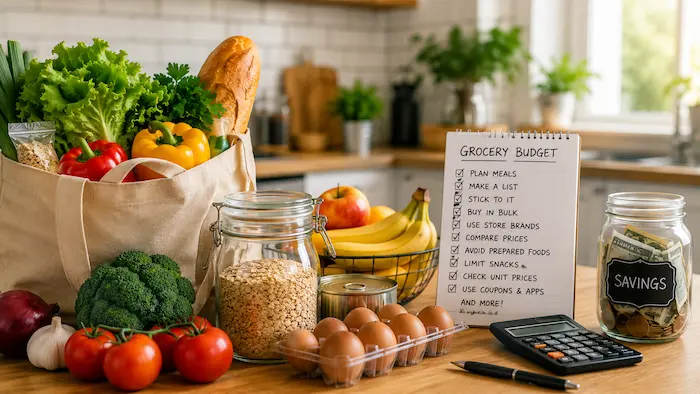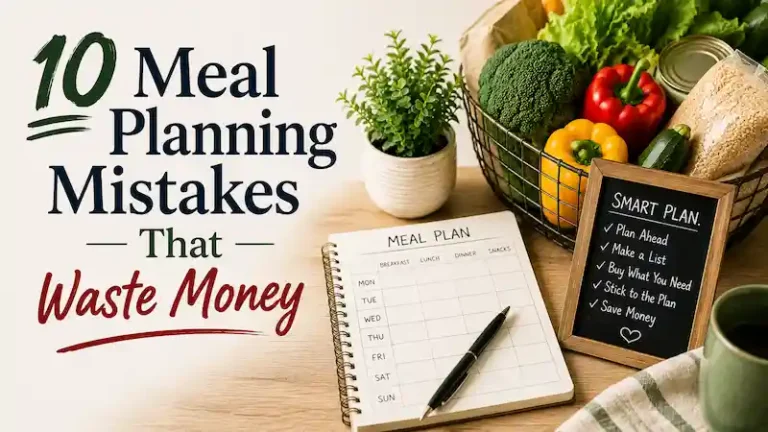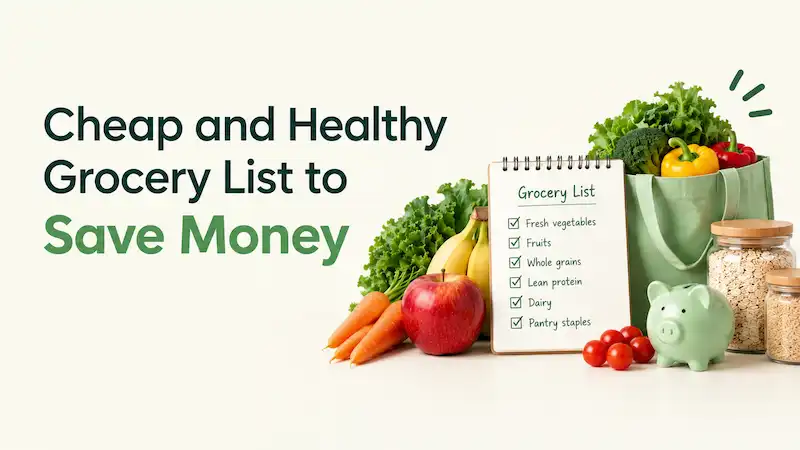
Grocery bills are one of the few major expenses you renegotiate every single week, which makes the cart in front of you one of the most effective places to save money without giving up nutrition. Eating well doesn’t require specialty “health food” aisles, imported superfoods, or a bigger budget — it comes down to choosing a short list of versatile, inexpensive staples and using them well.
A cheap healthy grocery list combines four things: affordability, nutrition, flexibility across multiple meals, and low food waste. This guide starts with that list, organized by protein, produce, grains, and fats, then shows you how to turn those ingredients into real meals, compare prices so package size doesn’t fool you, and avoid throwing away food you’ve already paid for.
The Cheap and Healthy Grocery List
Prices for every item below vary by country, region, retailer, and season, so nothing here is universally “the cheapest” — treat this as a categorized starting point to adapt to whatever’s actually on sale near you.
Affordable Protein
- Eggs
- Dried or canned beans, lentils, and chickpeas
- Peanut butter
- Canned fish, such as tuna, salmon, or sardines, when competitively priced
- Chicken (especially thighs, or a whole bird) or other meat when on sale or bought in usable portions
- Plain yogurt or cottage cheese, where dairy fits your budget and diet
No single item on this list is automatically the cheapest protein everywhere — that depends on your local market and what’s discounted that week. For context, the Dietary Guidelines for Americans, 2025–2030 group animal-based proteins like eggs, poultry, and red meat together with plant-based proteins such as beans, peas, lentils, and legumes under the same “protein foods” category — useful if you’re deciding how to split a protein budget between the two.
Cheap Fruits and Vegetables
- Bananas
- Apples
- Carrots
- Cabbage
- Onions
- Potatoes
- Sweet potatoes
- Whatever’s in season locally
- Frozen vegetables and fruit
- Canned tomatoes and other canned vegetables
Frozen and canned produce are worth taking seriously rather than treating as a downgrade. A peer-reviewed comparison of common fruits and vegetables found nutrient scores were broadly similar across fresh, frozen, and canned versions, while canned vegetables often cost less per edible cup than fresh or frozen. Harvard Health Publishing takes a similar view: freshly picked, local produce tends to have the most nutritional value, but frozen produce is a solid alternative when fresh is unavailable or unaffordable, and mixing fresh with frozen can help you reach your daily fruit-and-vegetable target.
Affordable Grains and Starches
- Oats
- Rice
- Whole-grain pasta
- Barley
- Whole-grain bread, when it’s reasonably priced
- Potatoes
Healthy Fats and Flavor Staples
- Peanut butter and peanuts
- Seeds, where affordable
- Cooking oil
- Herbs, spices, and garlic
- Vinegar
- Tomato products
You don’t need expensive specialty oils or imported condiments to cook well. A single all-purpose cooking oil, a few dried spices, garlic, and vinegar cover most everyday cooking.
How to Build a Balanced Grocery Cart on a Budget
A simple framework keeps the list above from turning into a random pile of ingredients: protein + staple carbohydrate + vegetable or fruit + a healthy fat or flavor booster.
In practice, that means:
- Start with a protein you can stretch across several meals (eggs, beans, canned fish).
- Add a versatile staple carbohydrate (rice, oats, potatoes, pasta).
- Add whatever produce is cheapest that week — fresh, frozen, or canned.
- Add a few flavor ingredients (oil, spices, garlic, vinegar) that make repeat meals feel different.
- Prioritize foods that work across multiple meals over single-use ingredients.
- Buy foods you’ll actually eat. The cheapest ingredient you throw away isn’t a good deal.
This mirrors the basic structure behind USDA’s MyPlate model — protein, grains, and produce as core building blocks — without needing to follow any single framework as a personalized diet plan.
What to Buy First When Your Grocery Budget Is Tight
When money is especially tight, it helps to think in tiers rather than trying to buy everything at once.
Tier 1: Essential Staples
- Rice or oats
- Dried or canned beans
- Eggs
- Onions
- Potatoes
- Cooking oil
- A basic spice or two (salt, pepper, or a general seasoning blend)
Tier 2: Useful Additions
- Canned tomatoes
- Canned fish
- Peanut butter
- Frozen vegetables
- Whole-grain pasta
- Seasonal fruit
Tier 3: Optional Items
- Fresh herbs
- Specialty grains, like quinoa
- Cheese
- Pre-cut produce
- Condiments beyond the basics
These tiers are about flexibility and how much a food contributes across different meals on a limited budget, not a ranking of which foods are nutritionally “better.” A Tier 3 item can be perfectly healthy; it’s just less essential for getting a basic rotation of meals going.
A Budget-Friendly Weekly Grocery List
Below is a practical example for one person for a week. Quantities are a flexible starting point, not a fixed formula, and because prices vary so much by country, region, and store, this list intentionally skips a total cost.
- Protein: a dozen eggs, a bag of dried lentils or two cans of beans, a jar of peanut butter, one or two cans of fish
- Grains/starches: a bag of rice or oats, a small bag of potatoes, whole-grain pasta
- Vegetables: onions, carrots, cabbage, a bag of frozen mixed vegetables
- Fruit: bananas, apples, or whatever’s in season
- Dairy/alternatives: a container of plain yogurt or a carton of milk (dairy or fortified plant-based)
- Pantry items: canned tomatoes, cooking oil, a couple of spices, vinegar
How to Adapt the List for Different Budgets
- Very tight budget: lean almost entirely on dried staples (rice, oats, dried beans), eggs, frozen vegetables, and one or two canned items; buy less meat and more plant protein.
- Moderate budget: add more protein variety (some fresh meat or fish alongside beans and eggs), more fresh produce, and a wider range of pantry flavorings.
- More flexible budget: add convenience items where they genuinely save time, fresh herbs, a wider variety of produce, and occasional specialty ingredients.
No single version of this budget grocery list is right for every household — a family of four, a student sharing a kitchen, and someone cooking for one will all reasonably adjust quantities and mix. For larger households, this grocery budget for a family of 4 can help you set a realistic spending target.
Turn One Grocery List Into Several Cheap Meals
The real value of a list like this comes from ingredients that overlap across meals, not from buying a different set of items for every recipe.
Oats + Fruit + Peanut Butter
- Basic oatmeal topped with sliced banana and a spoonful of peanut butter
- Overnight oats made with milk (or a plant-based alternative), refrigerated overnight, topped with fruit in the morning
- No-bake oat and peanut butter energy bites
- Oat pancakes blended with banana, with peanut butter swirled into the batter
Rice + Beans/Lentils + Vegetables
- A simple rice-and-beans bowl with sautéed onion and whatever vegetable is on hand
- Lentil soup with carrots, onion, and canned tomatoes
- Vegetable fried rice using leftover rice and frozen mixed vegetables
- Stuffed peppers or cabbage leaves with a rice-and-bean filling
Eggs + Vegetables + Potatoes/Rice
- A vegetable omelet or scramble using produce that needs using up
- A breakfast hash of diced potatoes, onion, and egg
- Fried rice with egg, frozen vegetables, and a splash of soy sauce or vinegar
- A simple egg-and-rice bowl with sautéed vegetables
Pasta + Beans + Vegetables
- A pasta-and-bean soup (pasta e fagioli–style) with canned tomatoes and vegetables
- A cold pasta salad with beans, chopped vegetables, and an oil-and-vinegar dressing
- A one-pot pasta with canned tomatoes, beans, and whatever vegetables are on hand
The underlying principle matters more than any specific recipe: buy ingredients that move between breakfast, lunch, and dinner, and a short grocery list stretches much further than it looks.
Fresh, Frozen, Canned, or Dried: Which Is Cheapest?
None of these formats is universally the better buy. The right choice depends on what you’re comparing and how you’ll actually use the food.
- Purchase price: Dried staples (beans, lentils, rice, oats) usually have the lowest price per pound at the register. Canned versions cost more per pound but need no soaking or long cook time.
- Cost per usable serving: This differs from purchase price. The same peer-reviewed comparison referenced above found canned vegetables often worked out cheaper per edible cup than fresh or frozen, with similar nutrient scores across all three formats.
- Shelf life: Dried and canned goods can last months to years unopened; frozen produce lasts for months in the freezer; fresh produce has the shortest window before quality drops.
- Preparation time: Canned and frozen items are typically faster to cook than dried goods or whole fresh produce that needs peeling, chopping, or long soaking.
- Storage: Canned and dried goods need only pantry space; frozen items need freezer space, a real constraint in smaller kitchens.
- Food waste: Frozen and canned formats are portioned and shelf-stable, so they’re harder to waste than fresh produce that spoils before you get to it.
- Nutrition: Differences between formats are generally smaller than people assume — Harvard Health Publishing notes fresh, local produce tends to have the nutritional edge, but frozen is a genuinely solid alternative when fresh isn’t available or affordable.
For canned foods, check the label. Under FDA-regulated sodium labeling rules, “low-sodium” means 140 mg of sodium or less per serving, while “sodium-free” or “salt-free” means under 5 mg, and “no salt added” doesn’t automatically mean a food is low in sodium, since it may naturally contain some. Canned vegetables are often higher in sodium than fresh or frozen because salt is added during processing; choosing “no salt added” or “low sodium” versions, or rinsing regular canned vegetables and beans, cuts a meaningful amount of that sodium. Canned fruit packed in syrup also carries more added sugar than versions packed in water or their own juice, so it’s worth checking that label too.
How to Save Money at the Grocery Store Without Sacrificing Nutrition
Plan Meals Before Shopping
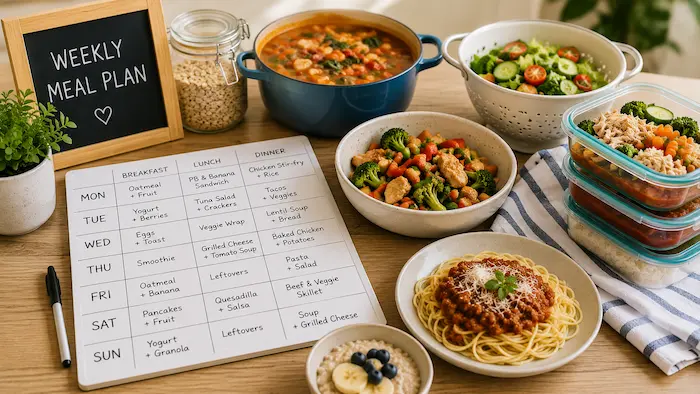
USDA’s budget-eating guidance centers on three habits: planning, comparing, and preparing. Spending fifteen to twenty minutes before you shop mapping out breakfasts, lunches, dinners, and snacks for the week, then building your list from that plan, cuts down on impulse purchases and makes sure the ingredients you buy actually overlap across meals. If you’re working with a fixed spending limit, start with a weekly grocery budget and build your meals around it.
Compare Unit Prices
The number on the shelf tag that matters most usually isn’t the total price — it’s the unit price, or cost per ounce, pound, or liter. A larger package isn’t automatically the better deal; sometimes a smaller size is cheaper per unit, especially when it’s on sale. Compare unit prices, not just totals, whenever you’re choosing between brands or sizes.
Consider Store Brands
Store-brand and name-brand versions of the same product are often made to similar specifications. Rather than assuming one is automatically better, compare the ingredient list and Nutrition Facts label side by side, then let the unit price break the tie.
Buy in Bulk Only When It Makes Sense
Buying a larger size only saves money if you use the whole thing before it spoils or expires. It tends to pay off for staples you already cook with regularly and that store well, like rice, oats, or dried beans. It tends to backfire for perishables or ingredients you’re only trying once.
Shop Seasonally and Use Sales Strategically
Produce that’s in season is usually cheaper and more widely available. Letting sales and seasonality guide which specific fruits or vegetables you buy, rather than which foods you buy at all, keeps the list flexible without inflating the bill. You can take this a step further and meal-plan backwards from what’s on sale rather than choosing recipes first. A sale is only a saving if it’s for something you were already going to buy.
Avoid Convenience Markups When Practical
Pre-cut produce, individually packaged snacks, single-serving portions, and prepared meals are usually priced higher per unit than their whole, unprepared counterparts, because you’re paying for someone else’s prep time. That’s not a reason to feel bad about buying them; sometimes the time savings is worth it. It’s just worth knowing when you’re paying mostly for convenience rather than food. If you’re trying to cut expenses more aggressively, these extreme frugal living tips cover additional ways to reduce grocery and household costs.
| Shopping choice | What to compare | When it may make sense |
| Unit price vs. shelf price | Cost per ounce, pound, or liter | Any time you’re choosing between sizes or brands |
| Store brand vs. name brand | Ingredient list and Nutrition Facts label | When the ingredients are essentially the same |
| Bulk size vs. regular size | Whether you’ll use it before it spoils or expires | Shelf-stable staples you already buy regularly |
| Fresh vs. frozen or canned | Cost per usable serving, not just per pound | Produce you can’t finish before it spoils, or out-of-season items |
| Convenience item vs. DIY | Price difference against the time it actually saves | When time is scarce and the markup is small |
The Cheapest Grocery Choice Isn’t Always the Cheapest Meal
It helps to separate three numbers: the price at checkout, the cost per serving, and the cost per usable meal. The first is what you see on the receipt. The second divides that by how many servings the package contains. The third accounts for what you actually end up eating, after trim, spoilage, and how many separate meals the ingredient supports.
Here’s a simplified, hypothetical comparison to illustrate the idea, not a quote from any real store or product:
- A whole head of lettuce is usually cheaper per pound than a bag of pre-washed salad greens. But if a third of that head wilts in the crisper drawer before you get to it, the actual cost per usable serving can end up close to, or even higher than, the pre-washed bag you would have finished completely.
- A bag of dried beans costs more upfront in time (soaking, longer cooking) but produces several times more cooked servings per pound than a can of ready-to-eat beans at a similar shelf price. If you have time to cook them, dried beans are usually the better cost-per-meal choice; if you don’t, the canned version’s convenience may be worth the higher unit cost.
The lesson isn’t that any one format is always the smarter buy. Food waste changes the effective cost of what you bought, multi-use ingredients can be a better value even at a higher shelf price, and your own preparation time has real value that a receipt doesn’t show.
How to Prevent Food Waste and Protect Your Grocery Budget
Food waste is easy to underestimate. In the United States, USDA estimates that food waste falls between 30 and 40 percent of the food supply. A 2025 EPA analysis valued that waste at roughly $728 per U.S. consumer per year, or about $14 a week, which comes to close to $2,900 annually for a household of four, and represents around 11 percent of what American consumers spend on food. Figures will differ elsewhere, but the underlying pattern, that a meaningful share of what households buy is never eaten, shows up in food-waste research in many countries, not just the U.S.
Practical ways to cut it:
- Check your pantry, fridge, and freezer before you shop, so you don’t duplicate what you already have.
- Plan meals around your most perishable items first, saving shelf-stable staples for later in the week.
- Freeze bread, meat, or produce you won’t use before it turns; most of it freezes better than people expect.
- Store produce properly (some vegetables last longer unwashed and refrigerated; potatoes and onions prefer a cool, dark, dry spot).
- Batch cook staples like rice, beans, or roasted vegetables, and repurpose them across two or three meals instead of one.
- Use leftovers deliberately, as an ingredient for a new meal rather than an afterthought.
- Buy highly perishable items in quantities you can realistically use within a few days, rather than defaulting to the largest size.
Cheap Healthy Foods Worth Keeping in Your Pantry
A well-stocked pantry does a lot of the budgeting work for you, because it means you’re never starting a meal from zero: oats, rice, dried or canned beans and lentils, whole-grain pasta, canned tomatoes, canned vegetables, peanut butter, a basic set of spices, vinegar, and cooking oil. These earn a permanent spot because they’re shelf-stable, inexpensive relative to the servings they provide, and flexible enough to anchor breakfast, lunch, or dinner.
| Category | Affordable options | Why they’re useful | Storage/value consideration |
| Grains & starches | Oats, rice, whole-grain pasta | Filling, low cost per serving, work in sweet or savory dishes | Keep sealed and dry; last many months at room temperature |
| Legumes | Dried or canned beans, lentils, chickpeas | High in protein and fiber; pair with grains for a complete meal | Dried costs less per serving but takes longer to cook; canned is faster |
| Canned produce | Canned tomatoes, canned vegetables | Long shelf life; a base for sauces, soups, and stews | Choose “no salt added” where possible; rinse regular canned vegetables |
| Fats & flavor | Peanut butter, cooking oil, spices, vinegar | Add calories and flavor variety to simple, repeat meals | Store oils away from heat and light; buy spices in amounts you’ll use |
Grocery Foods That May Look Cheap but Can Cost More
Some items look budget-friendly on the shelf but cost more once you compare unit prices or factor in how much of the package you’ll actually use:
- Individually packaged snacks (single-serving chips, crackers, fruit cups) usually cost more per ounce than the same food bought larger and portioned yourself.
- Pre-cut produce saves time but typically carries a higher unit price than whole produce, and often a shorter shelf life once cut.
- Single-serving yogurts, oatmeal cups, or drinks generally cost more per unit than a large container you portion out yourself.
- Premium “health” branding (labels like “superfood” or “detox”) doesn’t guarantee better nutrition and often comes with a higher price than a plainer version of a similar food.
- Prepared, ready-to-eat meals carry a convenience markup on top of the ingredient cost.
- Small package sizes, in general, tend to have a higher unit price than larger ones of the same product, even when the shelf price looks lower.
None of this means these products are bad choices. Convenience and portion control have real value for a lot of people. It just means the sticker price alone can be misleading.
Common Mistakes When Trying to Eat Healthy on a Budget
- Buying too many highly perishable items at once and letting some spoil before you get to them
- Comparing only the total package price instead of the unit price
- Buying bulk quantities of something you use rarely, rather than something you use every week
- Spending heavily on specialty “health” products instead of basic, nutrient-dense staples
- Planning meals that sound good but require ingredients you won’t realistically use again
- Overlooking affordable protein sources like beans, lentils, and eggs in favor of pricier options
- Buying an ingredient for a single recipe and never using the rest of it
- Treating every discount as a saving, even for items you weren’t already planning to buy
- Cutting out entire food groups in the name of saving money, which can make meals repetitive and harder to stick with
How to Make a Cheap Grocery List Fit Your Diet
- Vegetarian: lean more heavily on beans, lentils, chickpeas, eggs, peanut butter, and dairy or fortified plant-based alternatives as your protein base.
- Higher-protein preference: increase portions of eggs, beans, canned fish, and dairy, and consider adding a second protein source to more meals.
- Families: buy staples in larger, shelf-stable quantities (rice, oats, dried beans) and rotate the same core ingredients through different meals to reduce variety-driven waste.
- One-person households: smaller package sizes, or splitting bulk purchases with someone else, can reduce waste even if the unit price is slightly higher.
- Students: prioritize Tier 1 staples and simple, minimal-equipment meals.
- Limited cooking equipment: favor one-pot or single-pan meals (rice-and-bean bowls, pasta dishes, sheet-pan vegetables) over recipes that need specialized tools.
If you have a food allergy, a medical condition, or a diet prescribed by a healthcare provider, work with a registered dietitian or your doctor to adapt any of this. This article is general practical guidance, not individualized medical or nutrition advice.
Conclusion
A cheap, healthy grocery list comes down to a short rotation of versatile staples: beans, lentils, eggs, oats, rice, potatoes, frozen or seasonal produce, and a few pantry basics, used across multiple meals rather than a single recipe. Comparing unit prices instead of shelf prices, planning meals before you shop, and reducing what ends up in the trash all do more for your grocery bill than chasing any single “superfood” or brand.
Next time you shop, pick five or six items from the staples above, check the unit price rather than the total on the shelf tag, and build the week’s meals around whichever of them is cheapest that day.
Frequently Asked Questions About Cheap Healthy Grocery Lists
There’s no single universal answer, since prices shift by country, region, and season. Categories that are consistently inexpensive in most markets include dried beans and lentils, eggs, oats, rice, potatoes, frozen or in-season vegetables, and peanut butter.